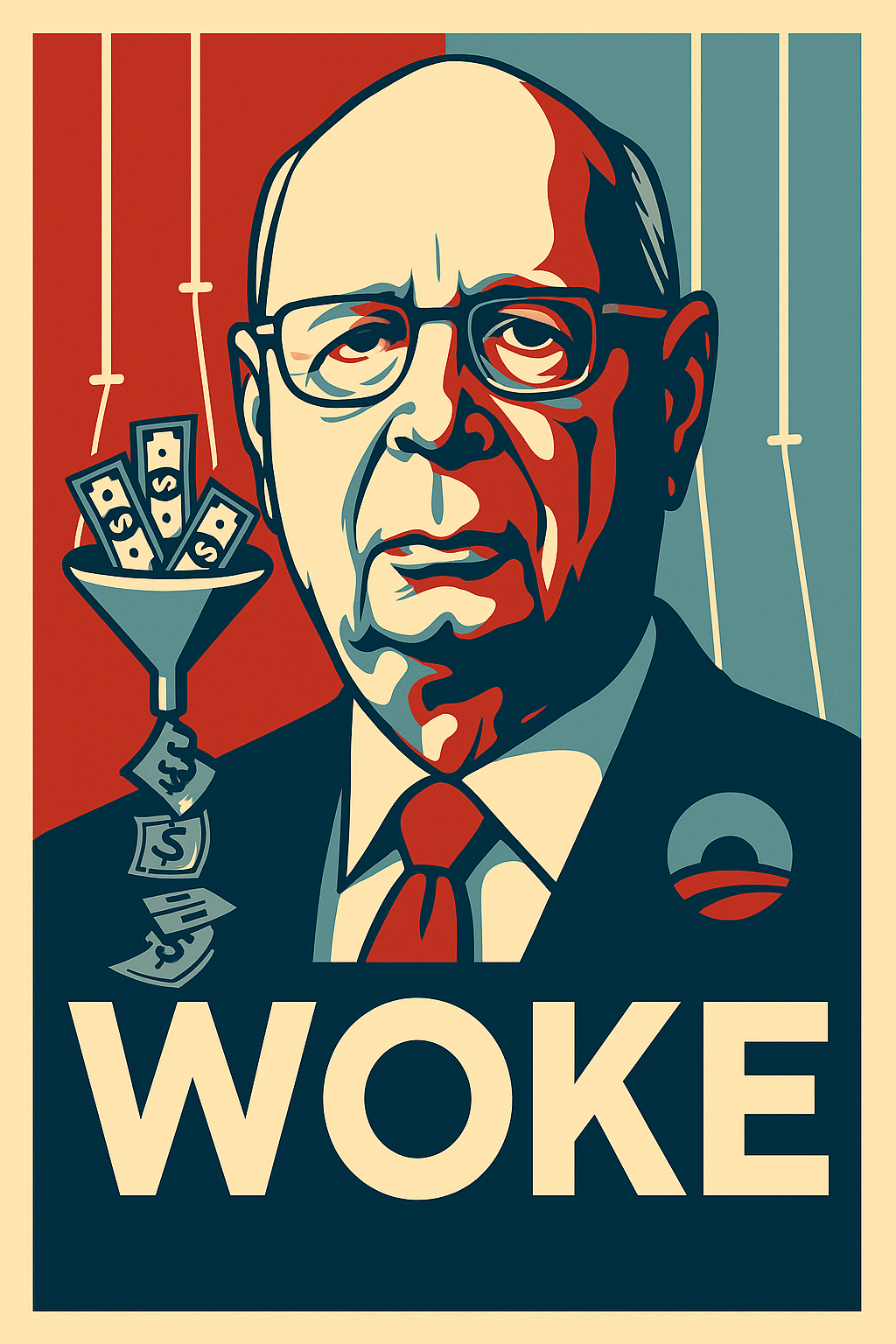
— and Who's Behind Them?
WOKE projects are ideologically driven initiatives that often prioritise global agendas over local needs. They focus on social engineering, identity politics, climate alarmism, and costly “equity” programs — often at the expense of core services like roads, water, and infrastructure.
These ideas are heavily influenced by external organisations such as the United Nations (UN), the World Economic Forum (WEF), and global frameworks like Agenda 2030 and ESG (Environmental, Social, and Governance) standards. These bodies promote centralised planning, net zero targets, and “inclusive” policy reforms that often ignore local realities and strain council budgets.
Instead of serving ratepayers, councils are being steered by consultants, policy advisors, and bureaucrats aligned with these global narratives — resulting in high-cost, low-value projects that most residents never asked for.
It’s time to put local people before global ideology.
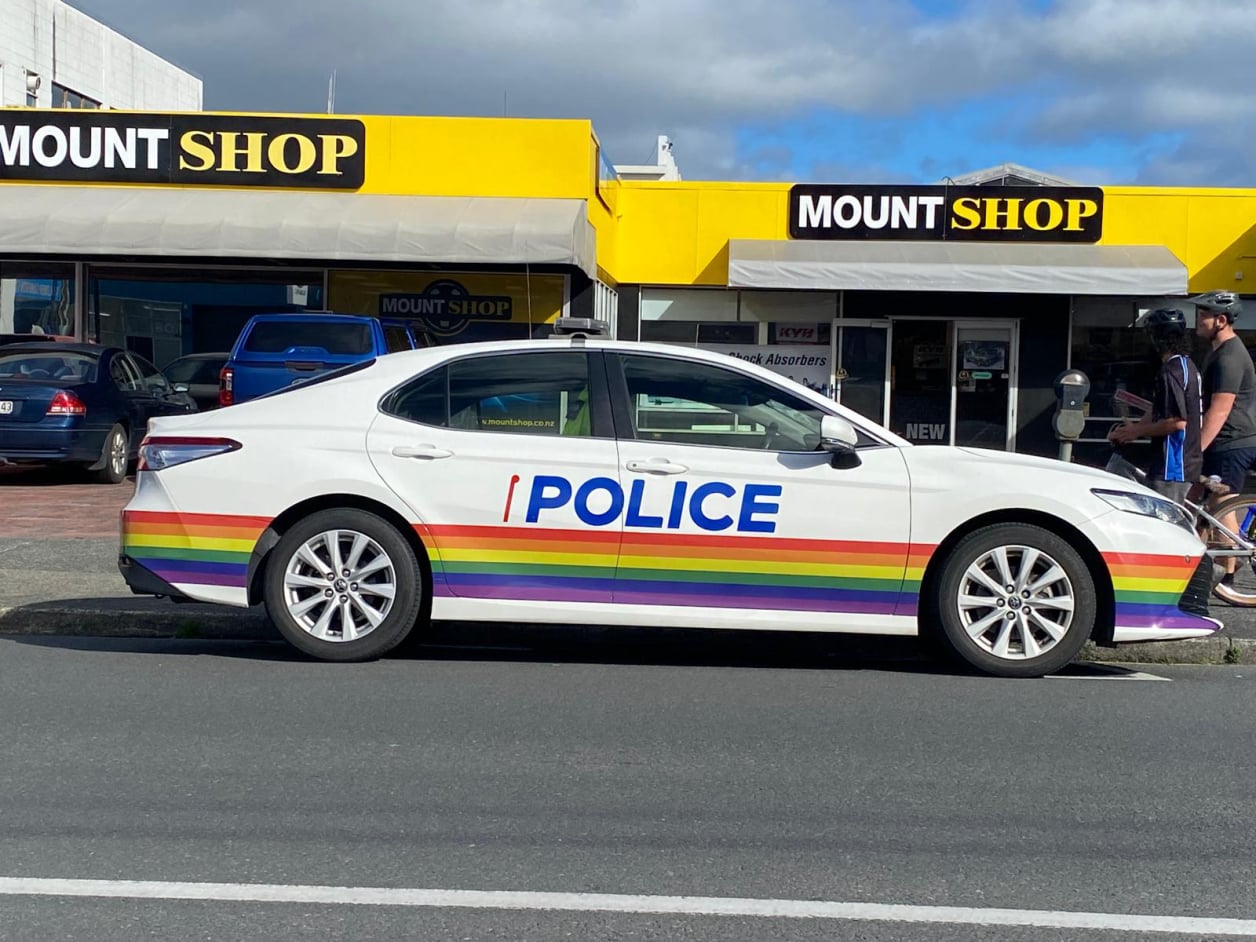
Empathy (often selective): Many WOKE individuals are driven by a deep sense of compassion or desire to protect perceived victims of injustice (race, gender, climate, etc.). This empathy can become absolutist, where feelings override facts.
Moral Certainty: There is often a strong conviction that they are "on the right side of history." This can lead to a black-and-white worldview — good vs. evil, oppressed vs. oppressor.
Fear of Social Rejection: Many adopt WOKE views to align with dominant cultural narratives or peer groups. Fear of being labelled (e.g., racist, sexist, climate-denier) leads to conformity, even when the logic is flawed.
Guilt or Virtue Signalling: Especially among privileged groups, there may be subconscious guilt for personal advantage, leading to public displays of “solidarity” as a form of self-cleansing or moral superiority.
Identity-Based Thinking: WOKE individuals often define themselves (and others) primarily by group identity — race, gender, orientation — rather than individual character or merit.
External Locus of Control: They tend to attribute outcomes (poverty, crime, inequality) to systemic or historical forces, rather than personal responsibility or culture.
Low Tolerance for Ambiguity: WOKE thinking often relies on rigid ideological frameworks (e.g. "everything is racist") and struggles with nuance or conflicting viewpoints.
Authoritarian Moralism: Despite advocating inclusion, there is often a punitive streak — silencing, cancelling, or shaming those who disagree. Dissent is seen not just as wrong, but dangerous.
A WOKE psychological profile is often rooted in empathy, social pressure, and a desire to “do good,”
but it can manifest as rigid, emotionally charged, and intolerant of dissent.
The worldview is moralistic and utopian, but often disconnected from practical realities, trade-offs, and unintended consequences.
Why will the CEO spend money indoctrinating our children but wont answer questions about why he spends our budget on it?
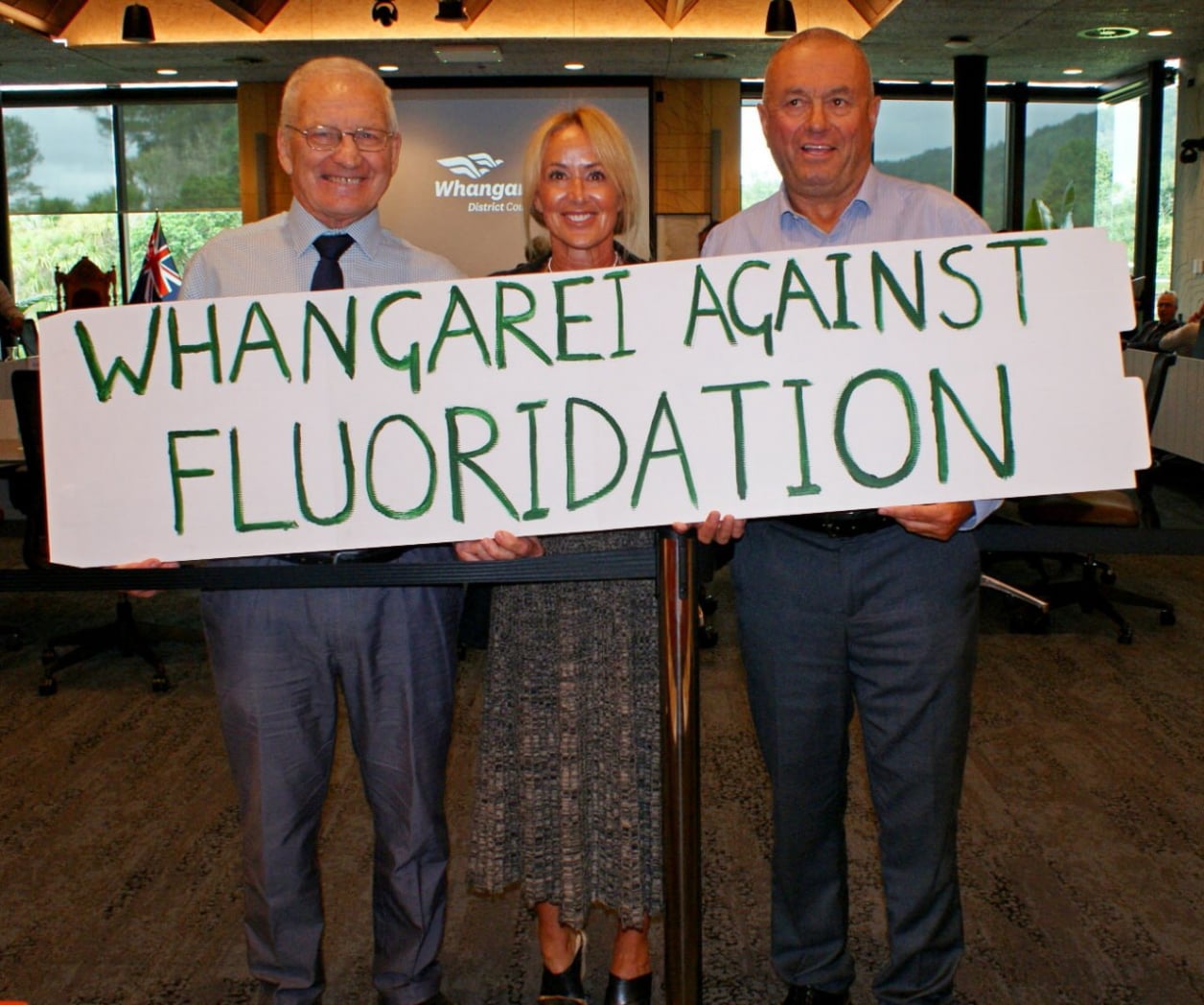
Yet Our Council allowed the government to poison us all
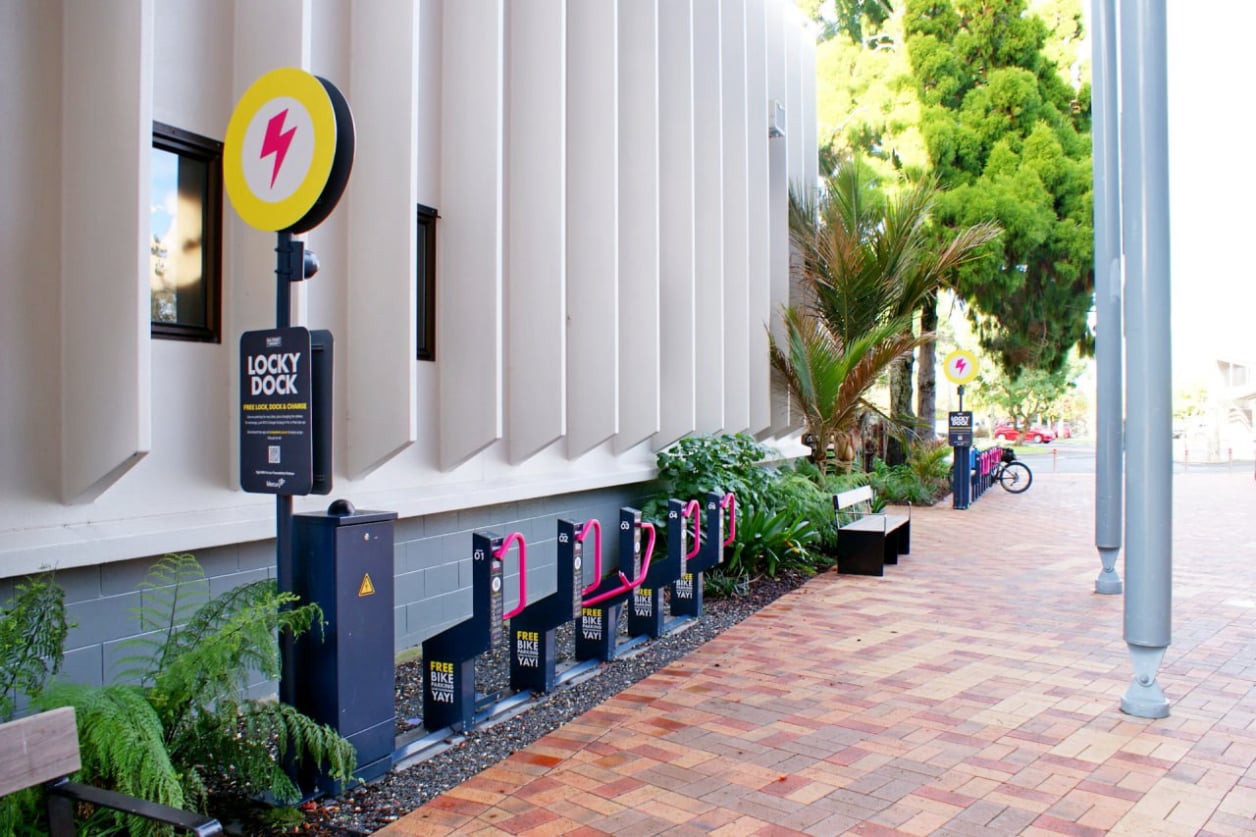
Electric Bike Wracks No One Wants or Needs Sit Empty - The crocodile in the swamp as there is no limit to how much you can spend on a HOAX with a nonsensical invisible enemy CO2?
HTML Website Maker
We're social!
WhatsApp
WhatsApp
Telegram
Telegram
Facebook
Facebook
YouTube
YouTube